Is It More Than Just Snoring? 5 Essential Sleep Apnea Symptoms to Watch For
While many people dismiss loud snoring as a mere annoyance, it is often the primary red flag for Obstructive Sleep Apnea (OSA). Sleep apnea is a serious condition where breathing repeatedly stops and starts during sleep. Recognizing the signs early is the first step toward obtaining a CPAP prescription and reclaiming your health.
Key Takeaways
- Recognition is Critical: Sleep apnea goes beyond snoring; witnessed gasping, extreme daytime fatigue, and morning headaches are vital warning signs.
- The Power of CPAP: Utilizing a CPAP sleeping machine keeps the airway open, which significantly reduces the risk of long-term complications like heart disease and stroke.
- Insurance & Support: Medicare and most private insurance providers cover CPAP equipment and replacement supplies under your plan’s Durable Medical Equipment (DME) benefit. To secure approval for your therapy and supplies, you must first complete a clinical sleep study (These can be done at home or in a sleep lab). The results of this study are interpreted by a medical professional to confirm a diagnosis and determine which type of PAP machine is medically necessary for your specific needs. Once a diagnosis is established, your doctor will provide a signed CPAP prescription, which allows medicare CPAP suppliers to provide you with the machine, masks, and ongoing supplies required for successful long-term treatment.
- Maintenance for Success: Long-term comfort depends on knowing how often to replace CPAP supplies and choosing the right interface, such as a CPAP nasal mask or a full face CPAP mask.
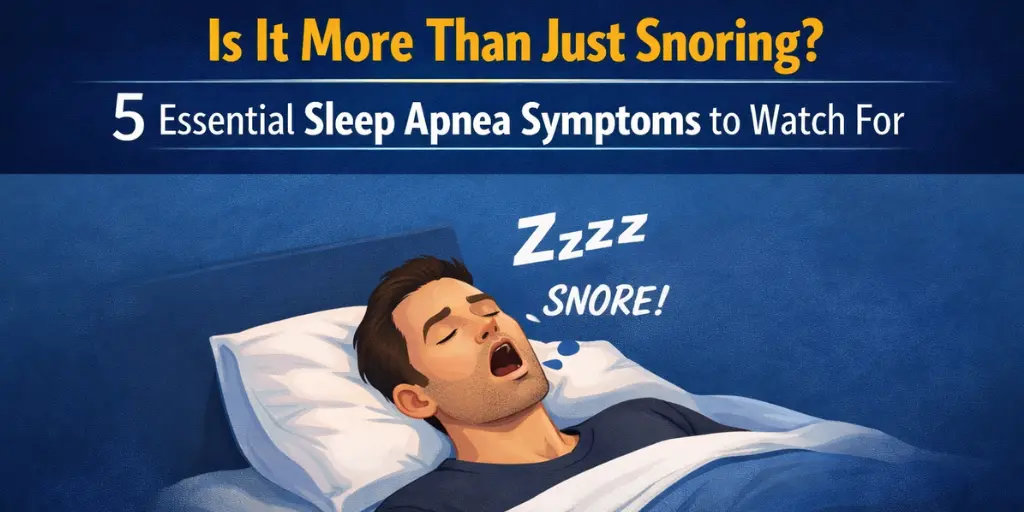
If you or a loved one are experiencing the following five symptoms, it may be time to consult a doctor about a CPAP sleeping machine.
1 Loud, Chronic Snoring and Gasping
The most common sign of OSA is loud snoring, often followed by silent periods and sudden gasping or choking sounds. These “gasps” occur when the brain forces the body to wake up just enough to take a breath. These interruptions can happen hundreds of times a night, preventing you from ever reaching the deep, restorative stages of sleep.
2. Excessive Daytime Sleepiness
Do you find yourself nodding off during meetings, while watching TV, or even while driving? This extreme exhaustion occurs because your body is fighting to breathe all night. Many patients find that once they start using a CPAP with heated humidifier, their daytime energy levels and “brain fog” improve dramatically.
3. Morning Headaches and Dry Throat
Waking up with a dry throat with CPAP (or without it) is a sign that your airway was restricted or that you were breathing through your mouth to compensate for a lack of oxygen. Morning headaches are also common, caused by the frequent drops in blood oxygen levels that occur during apnea events.
4. Irritability and Mood Changes
Chronic sleep deprivation affects the brain’s ability to regulate mood. If you feel uncharacteristically anxious, depressed, or irritable, sleep apnea could be the culprit. Proper treatment can often stabilize these emotional symptoms by allowing the brain to rest.
5. Witnessed Breathing Pauses
Often, a bed partner is the first to notice that a person has stopped breathing for several seconds at a time. This is a critical indicator that your body is struggling. If you observe this, it is vital to see a specialist to discuss a sleep study and a potential CPAP prescription.
Once diagnosed, your doctor will determine the best pressure therapy for you. You might hear the terms CPAP vs BIPAP. The difference between CPAP and BIPAP lies in the pressure delivery:
- A CPAP sleeping machine provides one continuous level of air pressure.
- A BiPAP provides two distinct pressures—one for inhaling and a lower one for exhaling—making it easier for some to breathe out against the machine.
Whether you need a CPAP nasal mask, a CPAP nose mask, or a CPAP full face mask, the goal is to keep your airway open and stable throughout the night.
Does Insurance and Medicare Cover My Equipment?
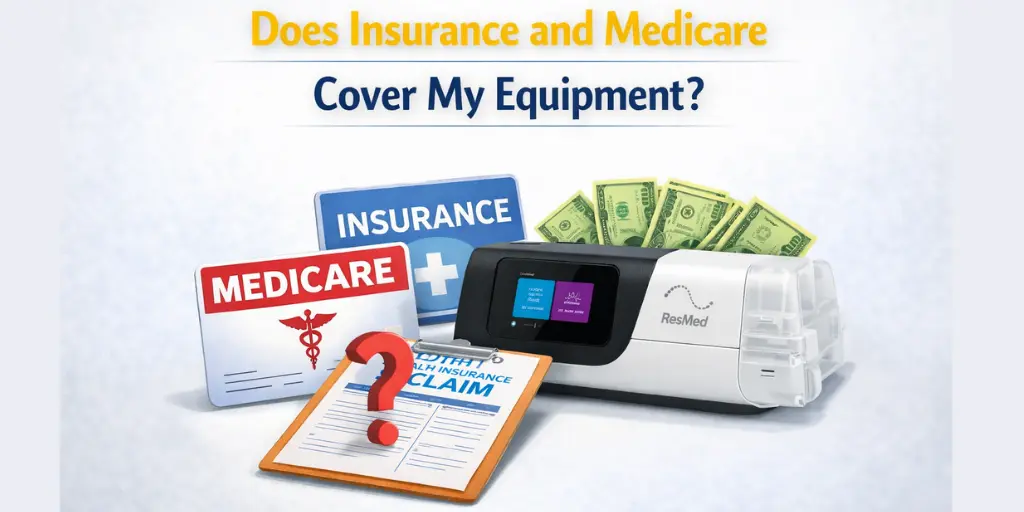
A common concern for many patients is the cost of treatment. You may be wondering, “does medicare cover CPAP machines?” or “does insurance cover CPAP machine?” The answer is generally yes, provided you have qualifying sleep study results. To ensure your equipment is paid for, you must work with a medicare approved CPAP suppliers. Medicare typically covers a 3-month trial period to ensure you are using the machine correctly before they commit to long-term coverage.
Many patients also ask, “how long is a CPAP prescription good for?” For Medicare, to cover CPAP supplies, the prescription for said supplies must be signed within the last year.
Replacement Schedule:
To maintain hygiene and machine performance, you must replace your cpap supplies regularly. Medicare and most insurances follow a strict allowable frequency for supplies replacements:
- Nasal & Nasal Pillow Mask Cushions: Every 2 Months
- Full face cpap mask cushions: Once a month
- How often do you change your cpap mask (the frame): Every 3 months
- Tubing and Filters: Every 3 months
Check out our blog How Often Can I Get a New CPAP/BiPAP Machine or Replace My Mask and Other Supplies? for a complete breakdown.
Interested to see if you qualify for CPAP supplies through your insurance? Reach out today to speak with one of our PAP specialists at 866.864.6332
Frequently Asked Questions: Sleep Apnea & CPAP
Q1: Does snoring always mean I have sleep apnea?
A: While loud, chronic snoring is the most common of all sleep apnea symptoms, it doesn’t always mean you have the condition. However, if your snoring is accompanied by gasping, choking sounds, or extreme daytime exhaustion, it is a strong indicator that you should speak with a PAP specialist or your doctor
Q2: What are the most common sleep apnea symptoms I should look for?
A: The “big five” sleep apnea symptoms include loud snoring, witnessed pauses in breathing, waking up with a dry throat or headache, excessive daytime sleepiness, and increased irritability. If you experience a combination of these, a professional sleep study is usually the next step
Q3: How do I know if I qualify for CPAP supplies through my insurance?
A: To qualify, most insurance providers (including Medicare) require a formal diagnosis from a sleep study. Once a medical professional interprets your results and confirms you have Obstructive Sleep Apnea (OSA), they will provide a cpap prescription. Our team can then help you verify your benefits to see exactly what your plan covers.
Q4: Why do I wake up with a dry throat when using my CPAP?
A: A dry throat with cpap use is common and usually happens if your mouth hangs open during sleep or if your humidity settings are too low. Using a cpap with heated humidifier or switching to a full face cpap mask can often resolve this discomfort and improve your therapy experience.
Q5: Can sleep apnea symptoms affect my heart health?
A: Yes. Untreated sleep apnea causes sudden drops in blood oxygen levels, which puts immense strain on the cardiovascular system. Over time, this can lead to high blood pressure, heart disease, and an increased risk of stroke. Treating these symptoms early is vital for long-term heart health.