Choosing the Best CPAP Mask: Full Face, Nasal, or Nasal Pillows?
Key Takeaways
- Match Your Breathing Style: If you breathe through your mouth, a cpap full face mask is generally the most effective choice.
- Minimalist Comfort: For those who feel claustrophobic or have facial hair, a cpap nose pillow offers the least amount of facial contact.
- Side Sleeper Solutions: Low-profile designs are the best cpap mask for side sleepers because they are less likely to be dislodged by your pillow.
- Maintenance Matters: Knowing how often to change cpap mask components is vital for preventing skin irritation and maintaining a proper seal.
Finding the right sleep apnea mask is one of the most important steps in ensuring your therapy is successful. The “perfect” mask is the one that fits your unique facial structure, breathing habits, and preferred sleeping position.
Below is a guide to the three primary types of cpap masks to help you decide which one is right for you.
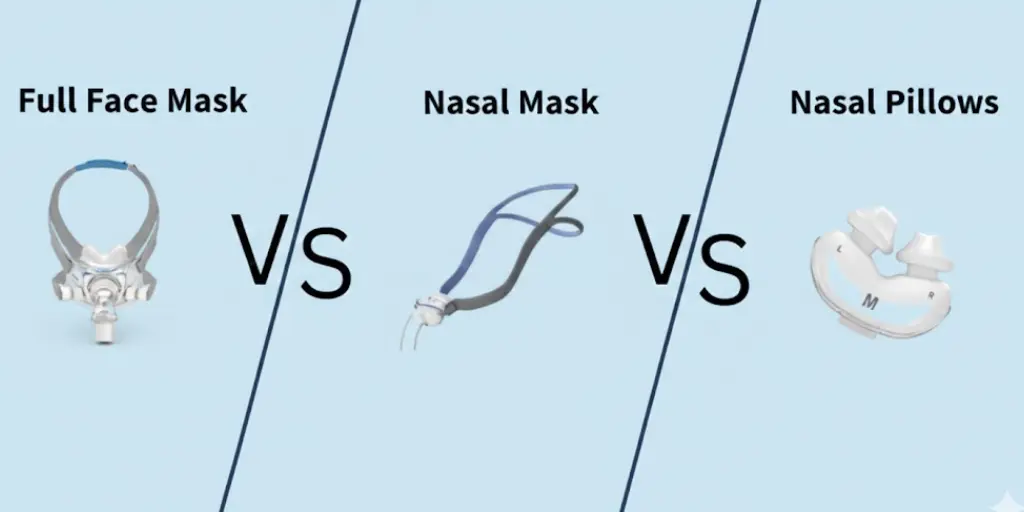
1. CPAP Full Face Mask
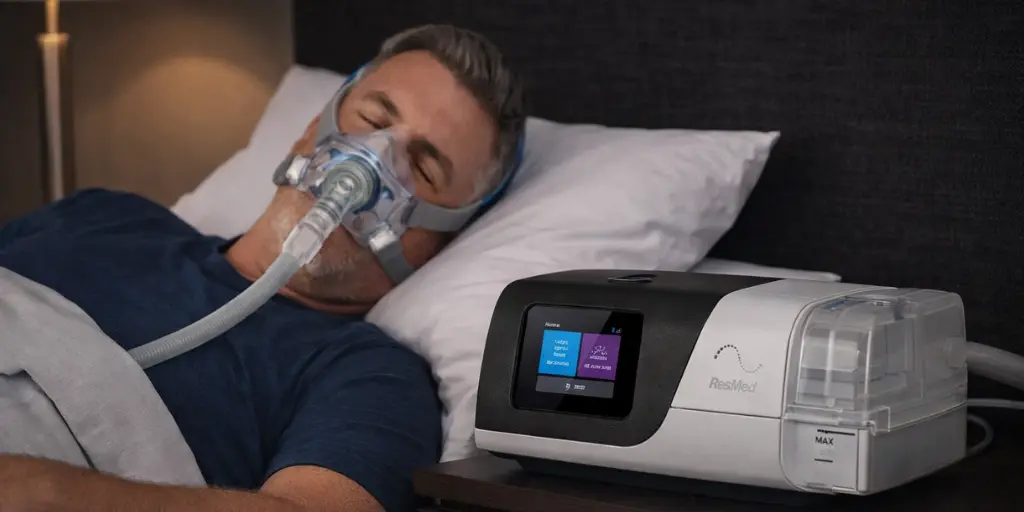
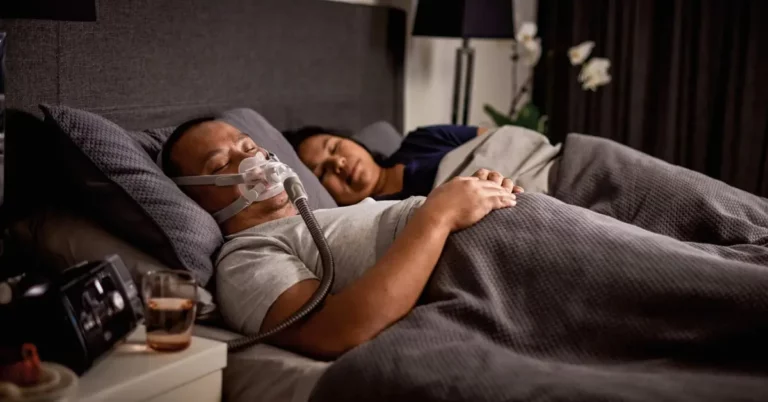
A full face cpap mask covers both your nose and mouth. This is the best option for “mouth breathers” or people who often experience nasal congestion due to allergies or a deviated septum.
- Pros: Ideal for high-pressure settings and ensures you receive therapy even if your mouth opens during sleep.
- Cons: Larger surface area means a higher chance of leaks if not fitted perfectly.
- Maintenance Tip: Because of the larger cushion, many providers suggest you change your cpap mask cushion once a month to keep the seal airtight.
2. CPAP Nasal Mask
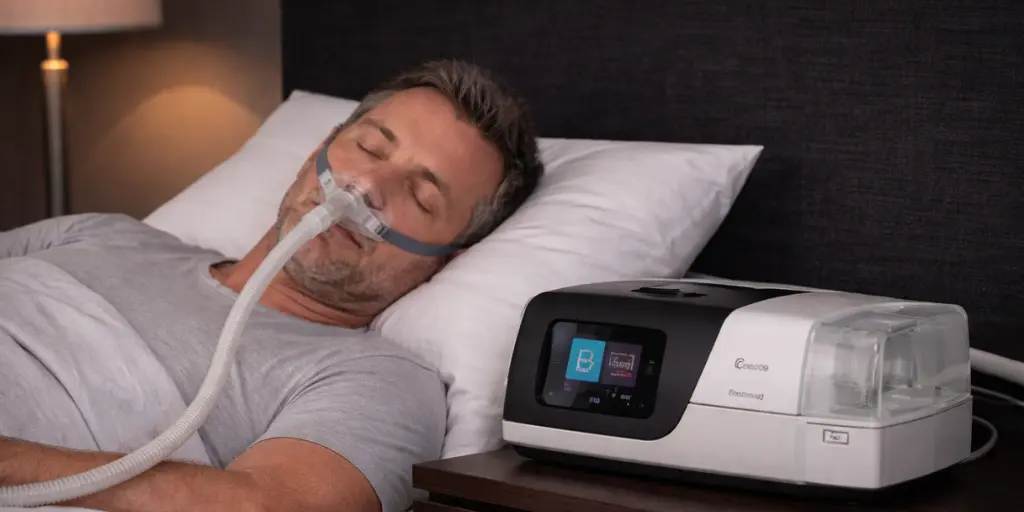
A cpap nasal mask (sometimes called a cpap nose mask) fits over the nose only, usually spanning from the bridge to the upper lip. It is a popular “middle ground” for users who find a full face mask cpap too bulky.
- Pros: Excellent for back sleepers and works well for a wide range of pressure settings.
- Cons: Not suitable for mouth breathers unless used with a chin strap.
- Comfort Tip: If the mask is too tight, it can cause redness. Learning how to prevent nose sores from cpap mask starts with adjusting your headgear so it’s “snug but not tight.”
3. CPAP Nasal Pillows
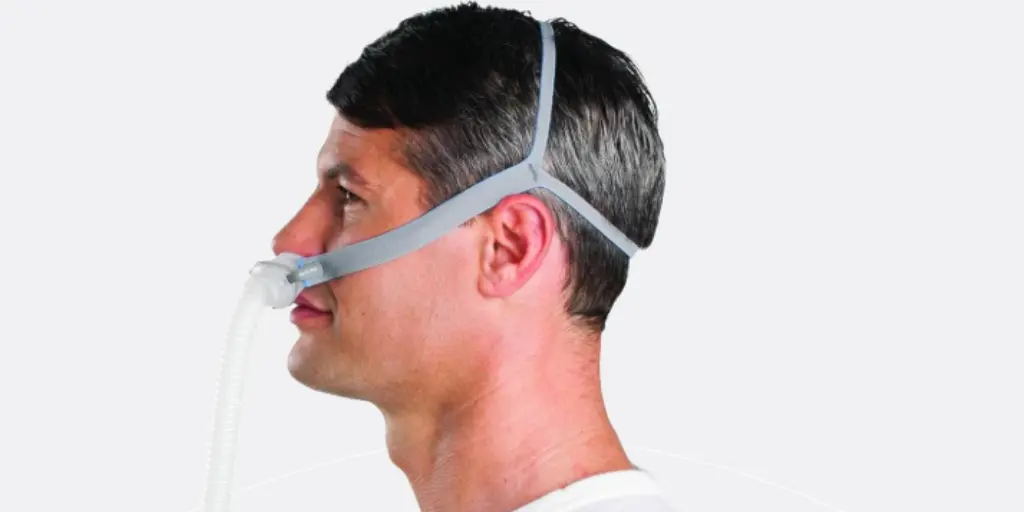
The most minimalist option is the cpap nose pillow. Instead of covering the nose, two small silicone inserts rest at the entrance of your nostrils.
- Pros: This is widely considered the best cpap mask for side sleepers because its slim profile won’t press against your cpap pillow and break the seal.
- Cons: Direct airflow into the nostrils can be drying at very high pressure settings.
- Maintenance: Nasal pillows are small and delicate; knowing how often to replace cpap supplies like these inserts (typically every 2 weeks) will help prevent bacteria buildup.
Check out our guide on how often to replace your mask and supplies to see when you are eligible for new equipment through insurance.
Tips for Daily Comfort
If your full face cpap mask or cpap nose mask is causing discomfort, try these adjustments:
- Use a CPAP Pillow: A specialized cpap pillow has cut-outs on the sides to accommodate your mask, preventing it from being pushed out of place.
- Hydration is Key: Use a humidifier to keep the air moist, which helps prevent the nasal dryness that leads to sores.
- Clean Daily: Wash your mask cushion with mild soap every morning to remove oils that cause “mask slip” and skin breakouts.
Find Your Perfect Fit
Not sure which mask is right for your sleeping style? Our PAP specialists can help you compare full face, nasal, and pillow options to find your best fit. Reach out today for a personalized consultation!
FAQ: Choosing the Best CPAP Mask
Q1: How do I know if I need a full face CPAP mask?
A: A full face cpap mask is the best option if you breathe through your mouth or frequently experience nasal congestion. It covers both the nose and mouth, ensuring you receive your therapy even if your mouth opens during sleep.
Q2: Which is the best CPAP mask for side sleepers?
A: The cpap nose pillow is widely considered the best cpap mask for side sleepers. Because of its minimalist, slim profile, it is less likely to be pushed out of place or have its seal broken when your face presses against your pillow.
Q3: How can I prevent nose sores from my CPAP mask?
A: Learning how to prevent nose sores from cpap mask involves two main steps: adjusting your headgear so it is “snug but not tight” and using a humidifier to prevent the skin and nasal passages from becoming too dry.
Q4: What is the benefit of a nasal mask over a full face mask?
A: A cpap nasal mask (or cpap nose mask) is a popular “middle ground” for users who find full face masks too bulky. It is excellent for back sleepers and offers a more open field of vision, provided you do not breathe through your mouth.