How to Safely Use and Care for Your Catheter at Home
Key Takeaways - The Safety First Routine
- Sterile Handling: Always perform thorough hand hygiene before and after touching any part of your catheter system.
- Gravity is Your Friend: For indwelling systems, always keep the collection bag below the level of your bladder to prevent the backflow of urine, which causes infections.
- No Kink Policy: Regularly inspect your tubing for twists or “kinks” that can block the flow and cause painful pressure.
- Single-Use Standards: Never reuse disposable catheters for men; once a package is opened, the device is no longer sterile.
Catheter Care at Home – Safely managing a catheter at home is essential for preventing infections and ensuring comfort. Below is a focused guide on the best practices for using and caring for your urinary catheter supplies, with a specific emphasis on hygiene and safety

Step-by-Step: Safe Daily Hygiene
Proper cleaning is your primary defense against a Catheter-Associated Urinary Tract Infection (CAUTI).
1. Cleaning the Insertion Site
Twice a day (morning and night), you must clean the area where the catheter enters the body.
- For Men: If you are using a male catheter and are uncircumcised, gently retract the foreskin. Wash the tip of the penis and the visible part of the tube with mild, unscented soap and warm water.
- The Direction Matters: Always wipe away from your body (down the tube). Never wipe toward the body, as this pushes bacteria into the urethra.
2. Showering Safely
You can typically shower with most types of catheters for men in place.
- Keep it Connected: Do not disconnect your drainage bag during a shower, as this breaks the “closed system” and increases infection risk.
- Avoid Irritants: Do not apply powders, lotions, or deodorants to the catheter or the surrounding skin, as these can harbor bacteria or cause irritation.
Maintenance: Changing Your Equipment

The frequency for how often a catheter should be changed varies significantly depending on the design and whether it is used intermittently or left in place.This is just general best practices and should not replace the guidance of medical professionals.
| Catheter Type | Description & Usage | When to Change |
|---|---|---|
| Closed Kit Catheters | An all-in-one sterile system where the catheter is pre-connected to a collection bag to minimize contamination. | Every use. These are designed for single-use to maintain a “closed” sterile environment. |
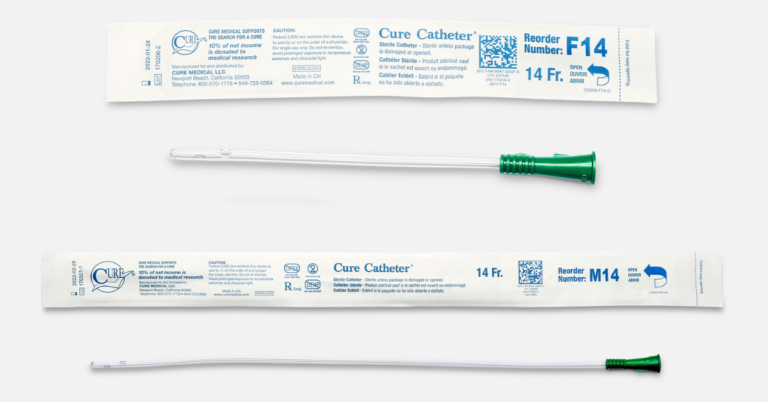
| Straight / Coude Tip Catheters | Standard male catheters used for intermittent self-catheterization. Coude catheters have a curved tip for easier insertion. | Every use. Use a fresh, sterile straight catheter each time you empty your bladder. |
| External Catheters | Also known as condom catheters, these fit over the penis rather than entering the bladder. | Every 24 hours. Daily changes are essential to protect the skin from moisture and irritation. |
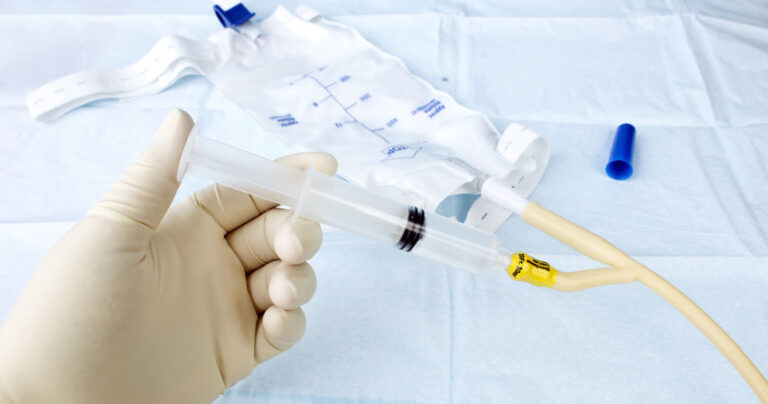
| Indwelling / Foley Catheters | A tube held in the bladder by a water-filled balloon for continuous drainage (e.g., Bard catheter). | Every 4–12 weeks. Your doctor will provide a specific schedule based on your medical necessity. |
Medicare Coverage for Catheters
Understanding which urinary catheters are covered by Medicare ensures you always have the sterile supplies you need for safe care. Under Medicare Part B, these items are generally covered as when deemed medically necessary by your physician.
- Intermittent Users: Medicare generally covers up to 200 units per month of disposable catheters for men (including Closed Kit Catheters and Straight / Coude Tip Catheters).
- External Users: For those using condom-style sheaths, Medicare typically covers up to 35 units per month. This allows for one fresh External Catheter every day, with a few extra provided for accidental displacement or leaks.
- Indwelling Users: Because these are meant for long-term use, Medicare usually covers 1 Indwelling / Foley Catheter per month for routine changes, along with the necessary drainage bags and insertion kits.
For more detailed tips on maintaining your health while using these supplies, be sure to read our guide on Early Signs of Catheter Infection & How to Prevent UTIs
Legal Notice: Universal Medical Supply provides this content as a service to our customers. While we strive for accuracy, medical guidelines and insurance coverage (including Medicare) are subject to change. Reliance on any information provided in this article is solely at your own risk. Universal Medical Supply is not liable for any complications arising from the use or misuse of the products or information mentioned herein. Always consult your healthcare professional for personalized instructions on catheter care and usage.
FAQs: Catheter Care & Coverage
Q: How often can I get new catheters through Medicare?
A: Under Medicare Part B, most users qualify for up to 200 intermittent catheters per month (one for every time you empty your bladder). For external catheters, the limit is typically 35 per month, and for indwelling (Foley) catheters, it is usually one per month for a routine change. Your specific doctor’s prescription will determine the exact amount you receive
Q: Is it safe to wash and reuse a disposable catheter?
A: No. Most intermittent catheters are labeled as “single-use.” Reusing a disposable catheter significantly increases your risk of developing a Urinary Tract Infection (UTI) because it is impossible to return the device to a truly sterile state at home. Always use a fresh, sterile catheter for every insertion.
Q: What should I do if my catheter stops draining?
A: First, check the tubing for any visible kinks or twists. If you have an indwelling bag, ensure it is hanging below the level of your bladder. If the tubing is clear and you still aren’t draining urine—or if you feel painful pressure in your lower abdomen—contact your healthcare provider immediately, as the tube may be blocked by a clot or sediment.
Q: Can I still be active and go out with a catheter?
A: Yes! If you use an indwelling catheter, you can use a “leg bag” that mirrors the shape of your thigh and stays hidden under your clothing. For intermittent users, many modern disposable catheters for men come in discreet, pocket-sized packaging, allowing you to maintain your routine while away from home
Q: How do I know if I have a catheter-related infection?
A: Watch for “red flag” symptoms such as cloudy or foul-smelling urine, fever, chills, or a burning sensation in the pelvic area. If you notice blood in your urine or persistent leakage around the insertion site, notify your doctor. Following strict daily hygiene and never skipping hand-washing are your best defenses against infection.
Q: Does Medicare cover specialized tips like Coudé catheters?
A: Yes, Medicare covers Coudé tip catheters if your doctor documents that a standard straight catheter cannot be used due to an obstruction, such as an enlarged prostate or urethral strictures. Our team at Universal Medical Supply can help you navigate the documentation needed for these specialized supplies.