Understanding Mask Leakage: How to Get a Better Seal for Better Sleep
Key Takeaways
- Silent vs. Excessive Leak: Some air “venting” is normal and necessary, but “excessive” leaks cause dry eyes and reduced therapy pressure.
- The “Fit” Over “Tightness”: Over-tightening your headgear can actually cause the silicone seal to collapse, creating more leaks.
- Cleaning for Adhesion: Facial oils are the primary reason a mask slides out of place during the night.
- Replacement Cycle: Silicone cushions lose their elasticity over time; insurance usually covers a new seal every month.
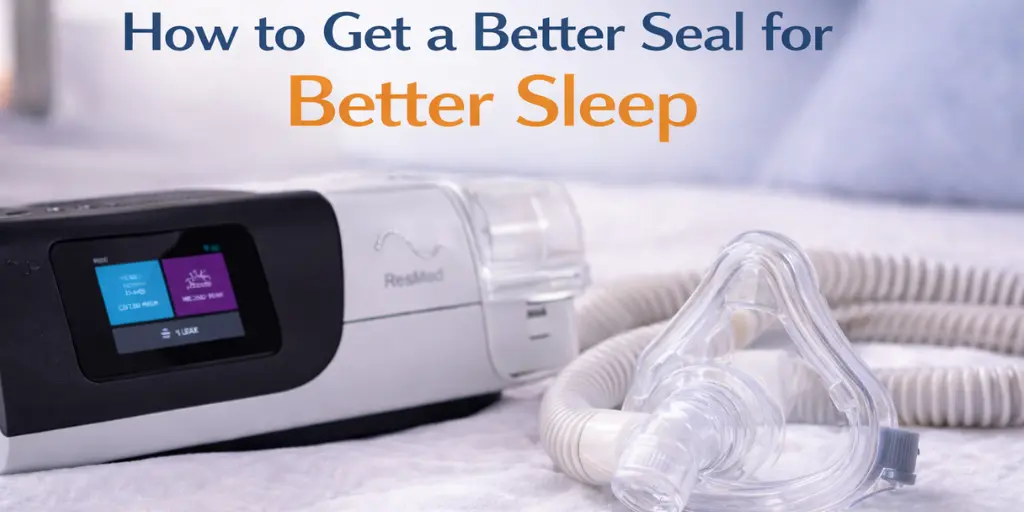
A successful night of sleep therapy depends entirely on the integrity of your mask’s seal. If air is escaping, your machine cannot maintain the prescribed pressure needed to keep your airway open. Furthermore, mask leaks can be incredibly disruptive—blowing air into your eyes or creating a whistling sound that wakes you or your partner. Understanding why leaks happen and how to troubleshoot them is the most effective way to improve your sleep quality.
Identifying the Type of CPAP Mask Leakage
Not all leaks are created equal. Determining where the air is escaping will point you toward the right solution.
1. The “Eye Leak”
This occurs when air escapes from the bridge of the nose. It often results in red, dry, or irritated eyes in the morning. This usually indicates the mask is too large or the top straps need a slight adjustment.
2. The “Mouth Leak”
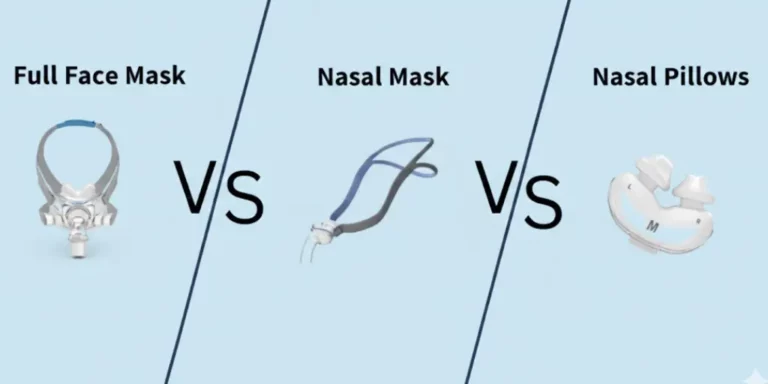
If you use a nasal mask but breathe through your mouth, the therapy air will escape out of your lips. This leads to a severely dry mouth. A chin strap or a switch to a full-face CPAP mask is often the recommended fix.
3. The “Movement Leak”
This happens when you change positions (side sleeping). If your pillow pushes against the mask, it breaks the seal. Using a specialized CPAP pillow with cutouts can help keep the mask in place.
How to Achieve the Perfect Seal
A. Avoid the “Tension Trap”
The most common mistake is pulling the straps as tight as possible. Modern mask cushions are designed to “inflate” with air to create a soft, gasket-like seal. If you tighten the mask too much, you flatten that cushion, causing the air to burst out through the gaps.
B. Start Fresh Every Night
Your skin produces natural oils that act as a lubricant, making the silicone slide.
- Wash your face: Before putting on your mask, ensure your skin is free of moisturizers or oils.
- Wipe the mask: Use a daily mask wipe to remove residue from the previous night.
Planning a trip? Read our guide on Traveling with CPAP to learn how to manage your equipment in airplanes and hotels
C. The “Fit Test” Feature
Most modern CPAP machines have a “Mask Fit” setting. Run this for 30 seconds while lying in your normal sleeping position. It will ramp up the pressure to your maximum setting, allowing you to find and fix leaks before you actually fall asleep.
Insurance and Maintenance Supplies
A mask that worked perfectly six months ago may leak today because the material has reached the end of its lifespan.
- Cushion Replacement: Most insurance plans (including Medicare) allow for a new mask cushion every month.
- Headgear Replacement: The elastic in the headgear stretches out over time. It should be replaced every 6 months to ensure it can still hold the mask with minimal tension.
- Sizing Evaluation: If you’ve lost or gained weight, the shape of your face may have changed. Contact UniversalMed Supply to see if a different size or style of mask would better suit your current needs.
FAQ: Mask Leakage Troubleshooting
Q1: My mask doesn't leak when I'm awake, but it does at night. Why?
A: When you fall into a deep sleep, your facial muscles relax. This change in muscle tone can cause the mask to shift. Try performing your “fit test” while lying down to simulate your sleeping state.
Q2: Should I use a mask liner?
A: Mask liners (cloth covers) can be very helpful for people with sensitive skin or those struggling with minor leaks. They absorb oils and provide a more stable surface for the silicone.
Q3: Is a little bit of air coming out of the front normal?
A: Yes. Every mask has “exhalation ports” designed to let out the CO2 you breathe out. If you block these, it becomes dangerous. Leaks are only a problem when they occur where the mask touches your skin.
Q4: Can facial hair cause leaks?
A: Yes. Beards can create a barrier that prevents silicone from suctioning to the skin. Men with beards often find better success with nasal pillow masks that seal at the nostrils rather than around the mouth.
Q4: When should I give up on my current mask and try a new one?
A: If you have tried different sizes and adjusted your settings for two weeks without success, it may be time for a different style (e.g., switching from a nasal mask to a full-face mask).