The Role of the Assistive Technology Professional (ATP) in Your Power Chair Selection

The role of the ATP is fundamentally about personalizing technology to the human body. While a physician identifies the underlying medical condition, the ATP translates those clinical findings into mechanical specifications. This ensures that the power wheel chair you receive isn’t just a generic mobility aid, but a medically optimized system designed to protect your skin, support your spine, and maximize your remaining physical function. By having an expert involved from the initial evaluation through the final delivery, you significantly reduce the risk of receiving a chair that is uncomfortable, unsafe, or unable to navigate your specific home environment
Battery Maintenance: How to Extend the Life of Your Power Wheelchair Battery
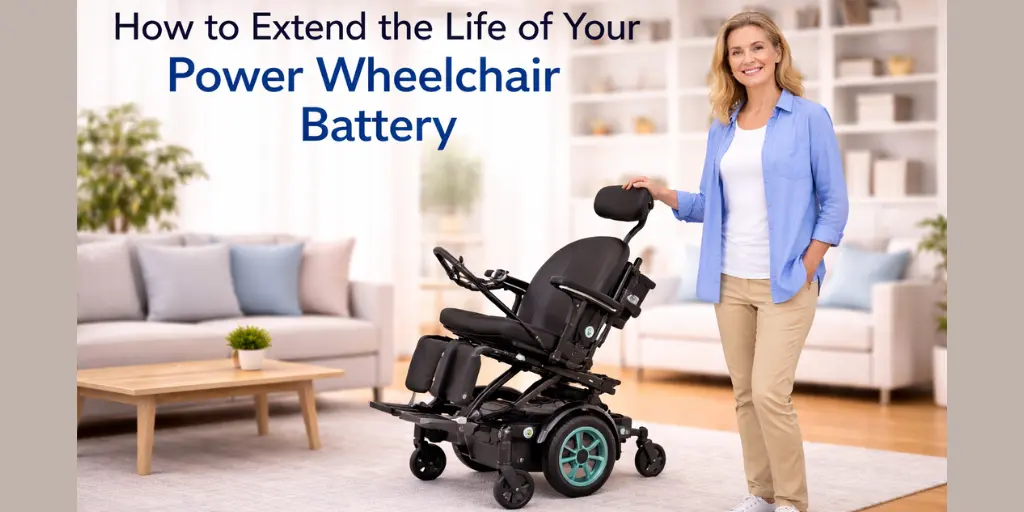
Maintaining your mobility equipment is a proactive investment in your daily freedom. When a power wheel chair is properly cared for, it provides a consistent, smooth, and reliable ride that allows you to focus on your life rather than your equipment. Neglecting battery health often leads to “stranding,” where the chair loses power unexpectedly, potentially leaving you in an unsafe situation. By integrating a few simple habits into your evening routine, you can ensure that your powered wheelchair remains ready for action whenever you are, while also reducing the long-term out-of-pocket costs associated with frequent part replacements
Custom Seating and Positioning: Why One Size Doesn’t Fit All in Power Mobility

In the world of high-end mobility, the base and motor of a chair are only half of the story. While the power base provides movement, the seating system provides the foundation for health. For individuals with long-term mobility needs, a standard “captain’s chair” or a basic foam cushion is often insufficient to prevent medical complications
The Difference Between Standard Power Chairs and Complex Rehab Power Chairs
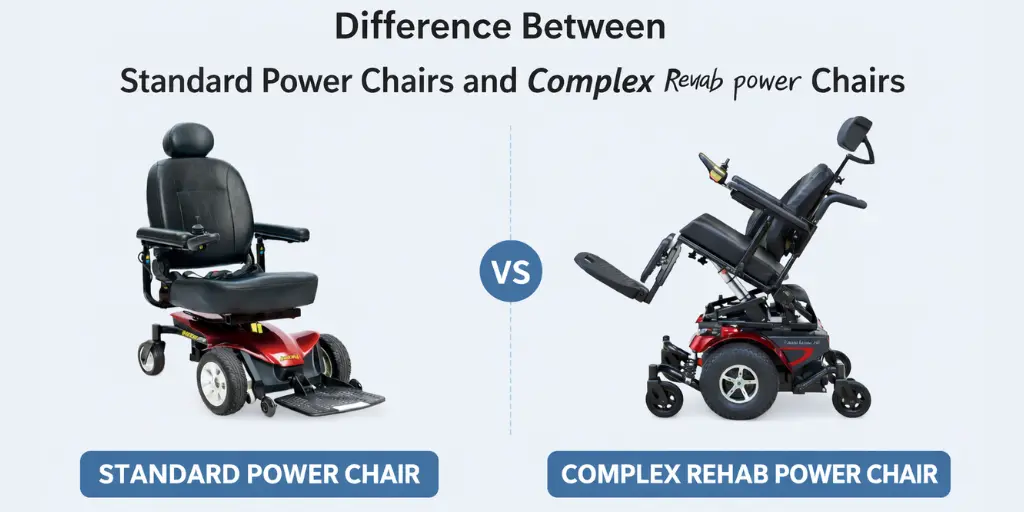
Selecting the right mobility device is more than just picking a base and a motor—it’s about matching the technology to your specific medical and functional needs. In the world of power mobility, there is a major distinction between standard powerchairs (often called consumer power chairs) and Complex Rehab Technology (CRT).
Qualifying for a Power Wheelchair: What Your Doctor Needs to Document

Getting a power wheel chair covered by insurance isn’t just about having a diagnosis; it’s about the “story” told in your medical records. For insurance providers to approve a high-cost item like a powered wheelchair, your doctor must provide specific, objective evidence that it is a medical necessity for your daily life at home.
Specialized Drive Controls for Power Chairs: A Simple Guide
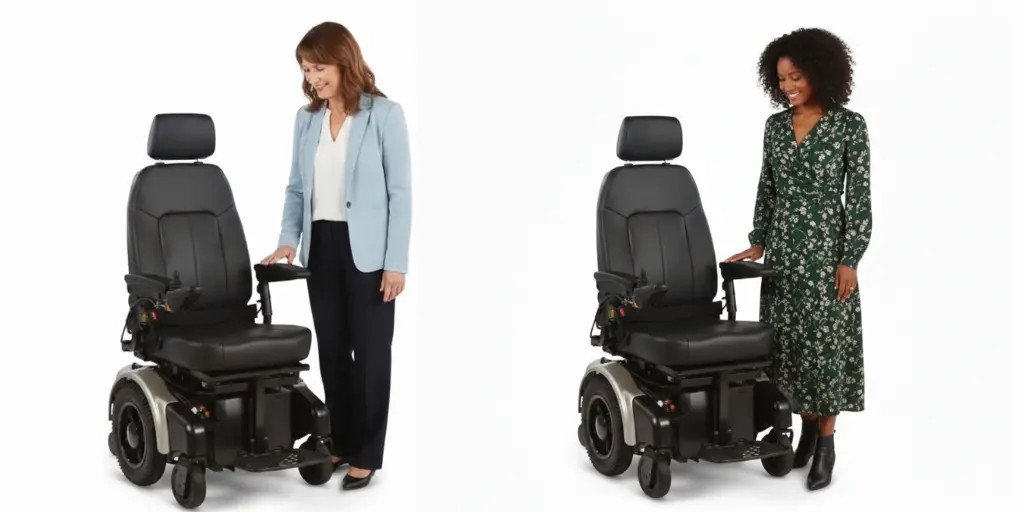
While most users interact with their mobility equipment using a standard joystick, many individuals require more tailored solutions to navigate their environment. For those with limited hand function, tremors, or neuromuscular conditions (such as ALS or spinal cord injuries), specialized drive controls are the key to operating power chairs safely and effectively.
The Benefits of Power Tilt and Recline for Pressure Relief
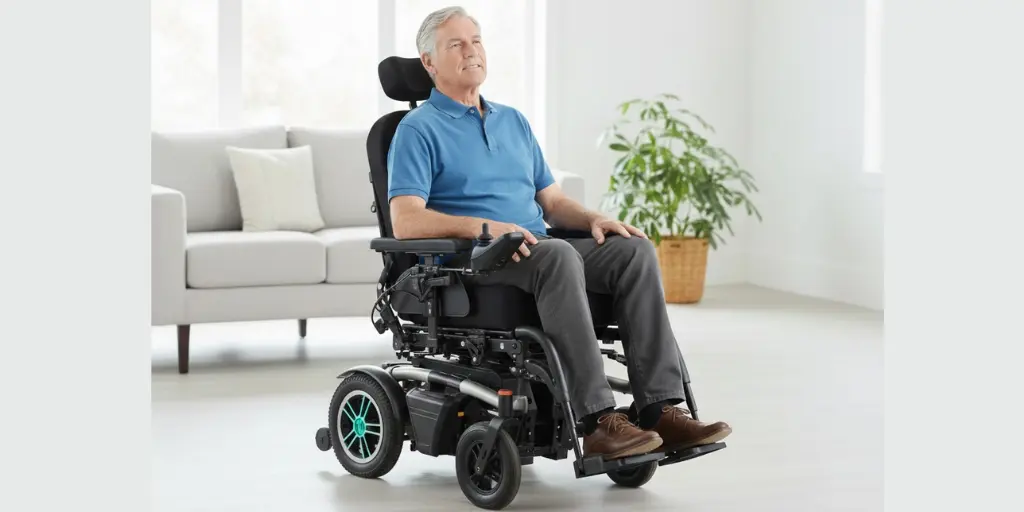
For full-time wheelchair users, the risk of developing pressure injuries—often referred to as bedsores or decubitus ulcers—is a primary health concern. When you are unable to perform a “functional weight shift” independently (lifting your body weight off the seat), gravity creates constant pressure on the skin covering the pelvic bones.
Electric Wheelchair Maintenance: 5 Simple Tips
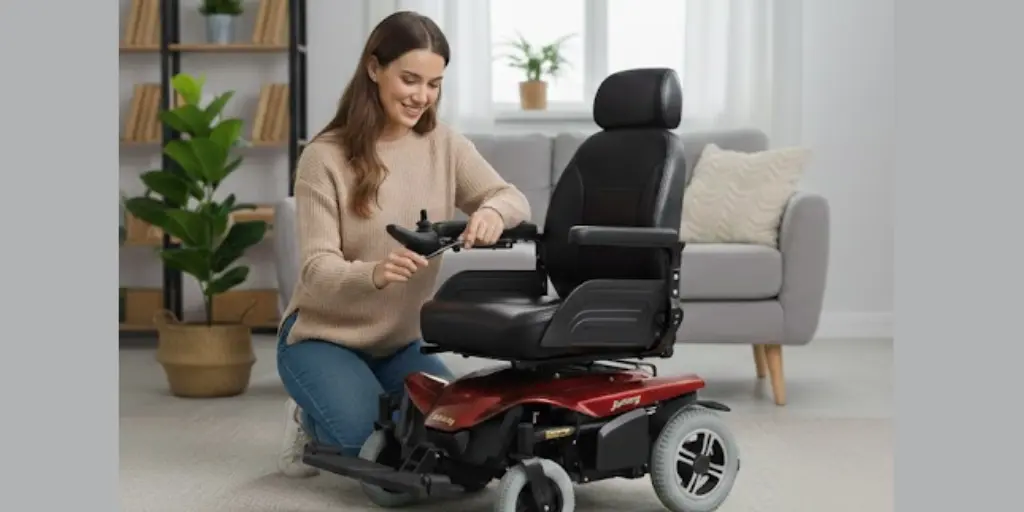
Investing in an electric wheelchair is a significant step toward improving your independence. Whether you rely on a lightweight portable model for travel or a heavy-duty Group 3 chair for full-time use, a proactive maintenance routine is the best way to ensure your device remains safe and operational
Power Wheelchair vs. Manual Wheelchair: Which is Right for You?
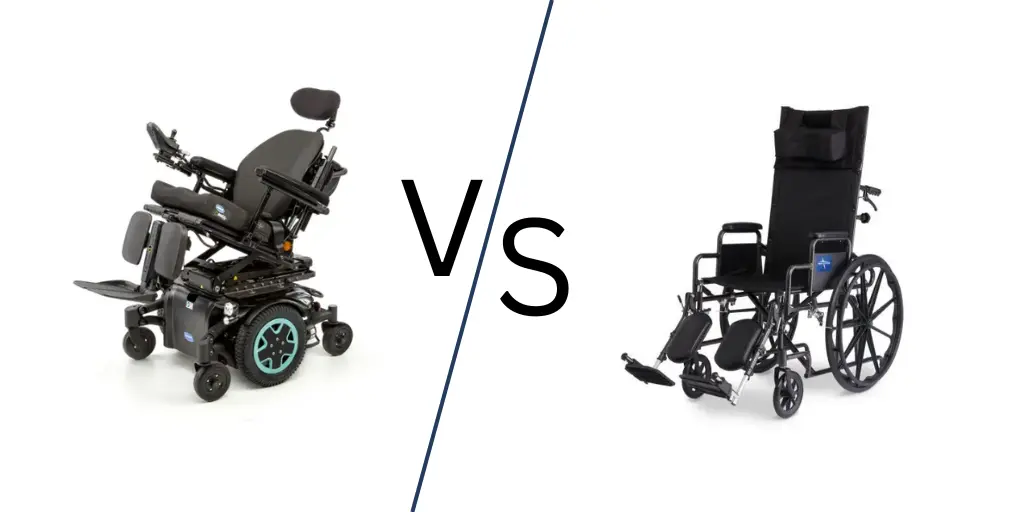
The decision between a power wheelchair (or motorized wheelchair) and a manual wheelchair is perhaps the most significant choice an individual will make about their mobility equipment. This choice is not just about preference; it involves weighing physical capability, lifestyle, environment, and financial considerations.
Motorized Wheelchairs: Front-Wheel vs. Mid-Wheel vs. Rear-Wheel Drive
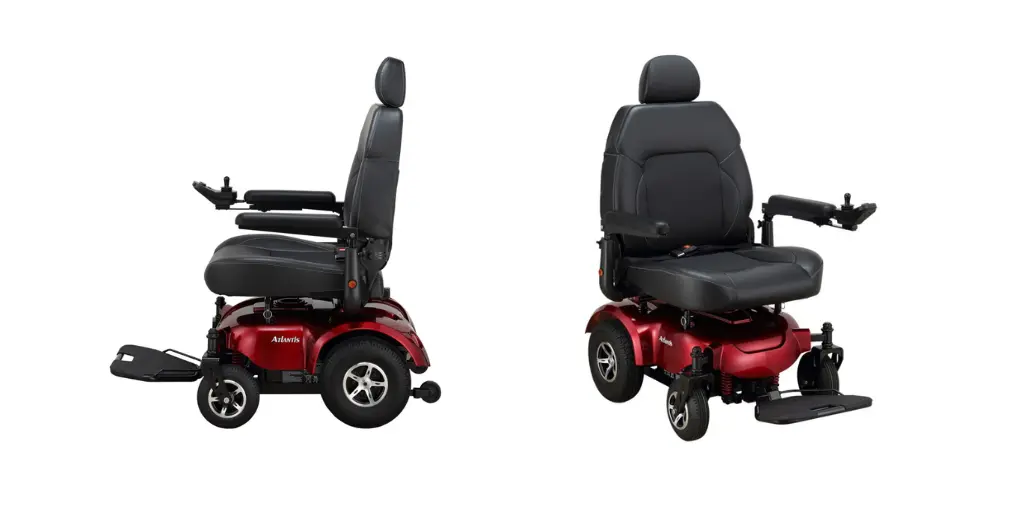
Choosing the right motorized wheelchair—also often referred to as a motorized chair—is a decision that profoundly affects a user’s daily life, safety, and independence. One critical factor that changes someone’s day to day experience in their motorized wheelchair is the chairs drive type.