How to Manage Secretions: The Role of Suctioning and Humidification

Mastering effective secretion clearance techniques requires a two-part strategy: thinning the mucus and then physically removing it. In a standard respiratory system, moisture keeps mucus moving. However, for those utilizing tracheostomy care, the air entering the lungs is often too dry. By using a heated humidifier or an HME (Heat and Moisture Exchanger), you ensure that secretions remain fluid. This preparation makes the use of a portable suction machine much more efficient and less traumatic for the patient’s airway. Without these combined steps, mucus can harden into “plugs,” which are the leading cause of emergency respiratory complications
Traveling with a Tracheostomy: Tips for Packing Supplies and Equipment

Traveling with a respiratory bypass requires a strategic approach to packing and equipment readiness. Whether you are heading out for a weekend getaway or an extended vacation, your tracheostomy supplies are your lifeline. By organizing your gear and ensuring your trach suction machine is travel-ready, you can enjoy your journey with the peace of mind that your airway remains clear and stable
Understanding Trach Tube Sizing: What the Numbers on Your Tube Mean
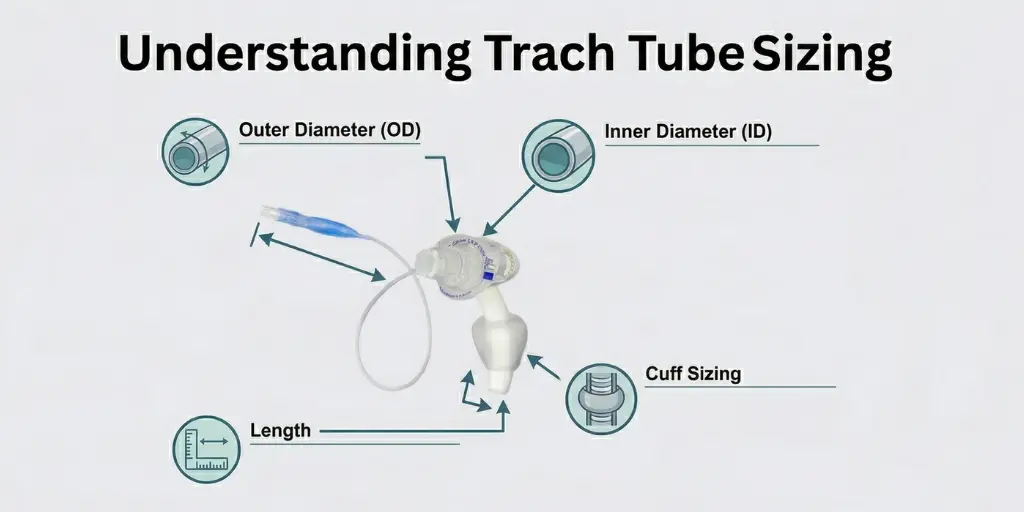
Understanding the technical specifications of your equipment is vital for safe home care. When you look at the flange (the neck plate) of a tracheostomy tube, you will see a series of numbers that dictate how the device fits your anatomy and how you interact with your trach suction machine. Using the wrong size can lead to complications such as air leaks, pressure necrosis, or difficulty with cleaning a tracheostomy. By mastering these dimensions, you ensure that your tracheostomy supplies—specifically your inner cannulas and catheters—are perfectly matched to your specific tube.
Essential Supplies Every Tracheostomy Patient Needs at Home

Transitioning from the hospital to home care requires having the right equipment on hand to ensure safety and comfort. Managing a stoma and airway is a detailed process, but having a fully stocked kit of trach supplies makes the daily routine much more manageable
How HMEs (Heat and Moisture Exchangers) Help Trach Patients Breathe Better

When a patient receives a tracheostomy, the air they breathe bypasses the nose and mouth—the body’s natural filters and humidifiers. This can lead to cold, dry air entering the lungs, causing thick mucus and irritation. A Heat and Moisture Exchanger (HME) acts as an “artificial nose” to restore this vital balance.
What Is an HME Trach Filter and Why Is It a Critical Part of Tracheostomy Care?
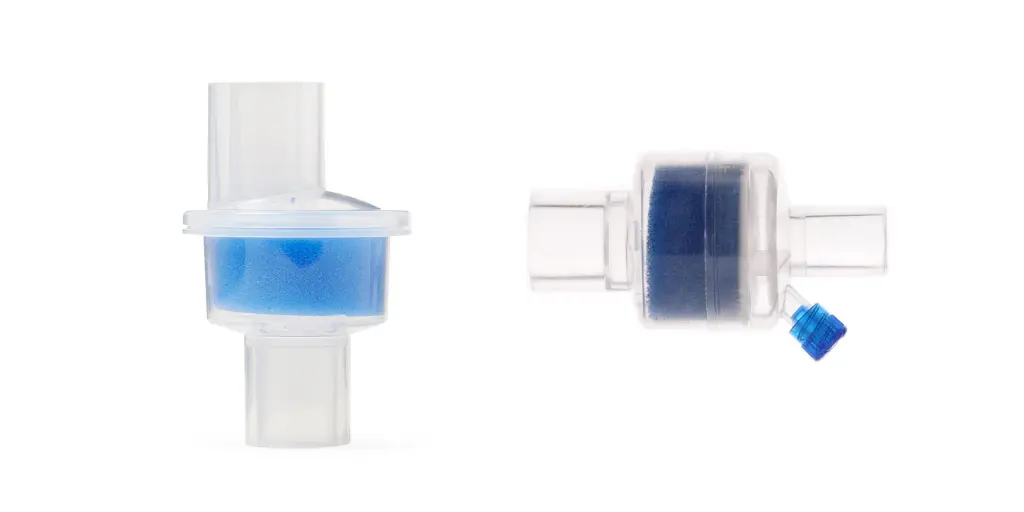
After a tracheostomy, your airway bypasses the natural filtering and humidifying systems of your nose and mouth. This can lead to thick, dry secretions, irritation, and discomfort. Fortunately, the HME Trach filter steps in to help solve these problems.
Cuffed vs. Uncuffed: How to Choose the Right Tracheostomy Tube for Your Needs
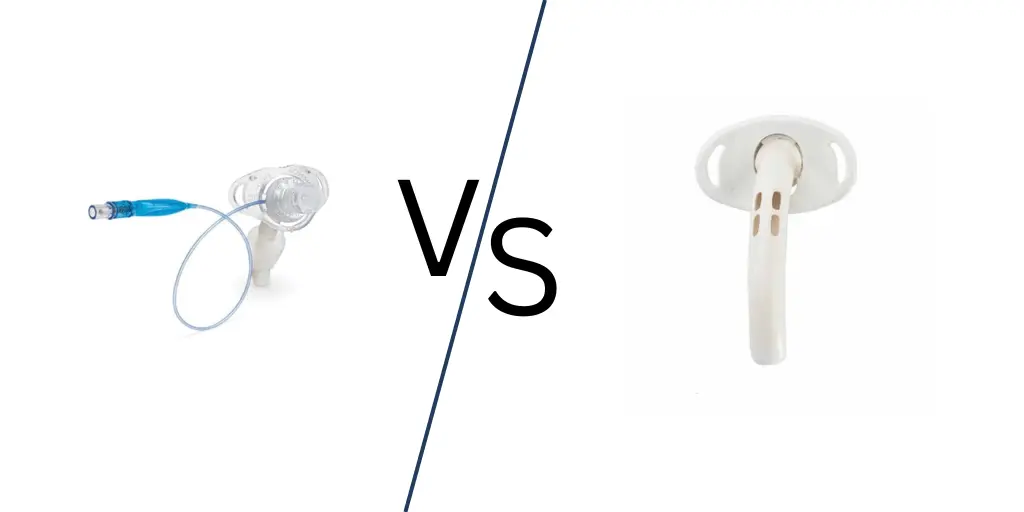
A tracheostomy tube (or “trach”) is a vital piece of medical equipment, and the decision between a cuffed and an uncuffed tube is one of the most important made by a patient’s care team. The choice is based on the patient’s immediate respiratory needs, their risk of aspiration, and their long-term communication goals
Safe Tracheostomy Care at Home: A Guide to Best Practices & Supplies Covered by Insurance

Caring for a loved one with a tracheostomy tube requires a careful approach to ensure their well-being and prevent complications. From maintaining a clean environment to performing routine cleaning, every step is vital for a safe and successful recovery
How To Set Up Your Tracheostomy Suction Machine
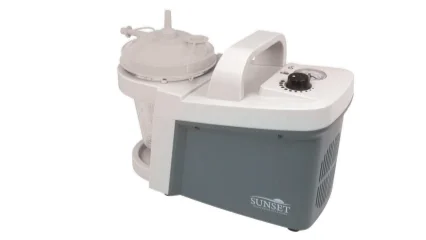
Suction machines are crucial medical devices that help keep airways clear. They’re often used for tracheostomy care at home, and setting them up might seem daunting at first. This guide will walk you through the process, ensuring your machine is ready to use
How To Set Up Your 50 PSI Compressor For Tracheostomy
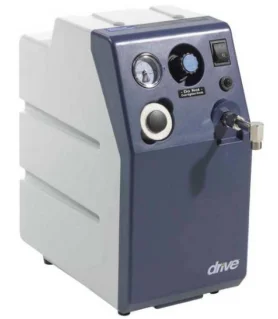
Using a 50 PSI compressor for respiratory support can be a game-changer, but setting it up correctly is crucial for safe and effective use. This guide will walk you through each step, ensuring your compressor is ready to provide the support you need.