Essential Supplies Every Tracheostomy Patient Needs at Home

Transitioning from the hospital to home care requires having the right equipment on hand to ensure safety and comfort. Managing a stoma and airway is a detailed process, but having a fully stocked kit of trach supplies makes the daily routine much more manageable
Choosing the Best CPAP Mask: Full Face, Nasal, or Nasal Pillows?
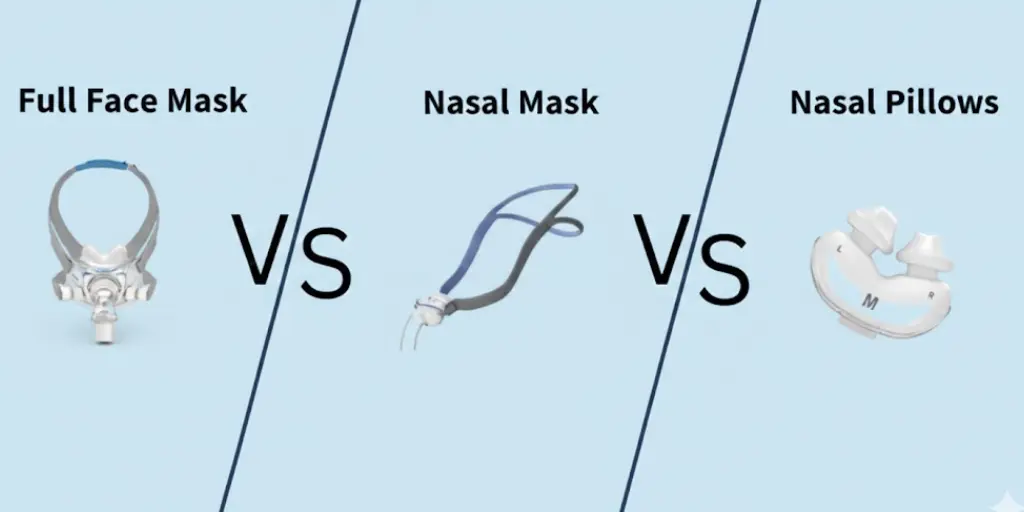
Finding the right sleep apnea mask is one of the most important steps in ensuring your therapy is successful. The “perfect” mask is the one that fits your unique facial structure, breathing habits, and preferred sleeping position.
The Difference Between Standard Power Chairs and Complex Rehab Power Chairs
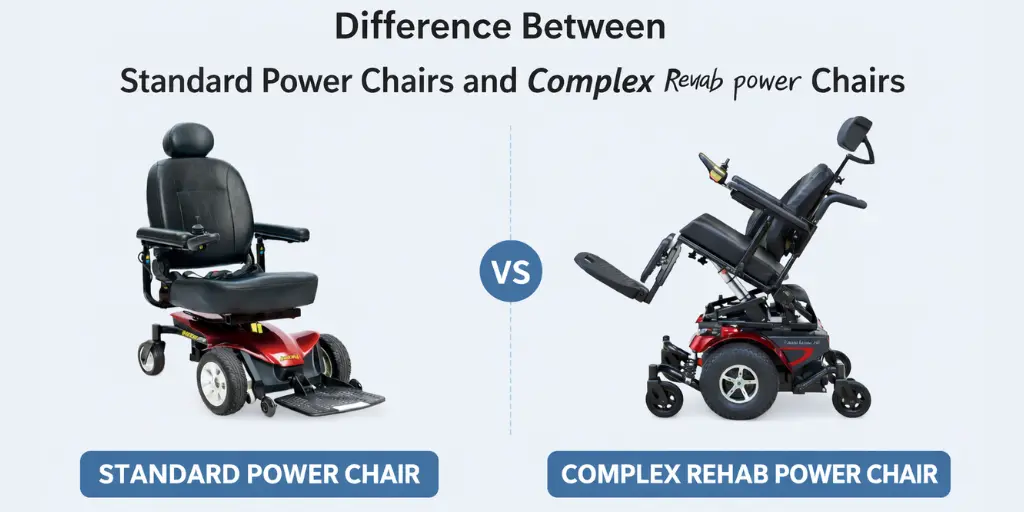
Selecting the right mobility device is more than just picking a base and a motor—it’s about matching the technology to your specific medical and functional needs. In the world of power mobility, there is a major distinction between standard powerchairs (often called consumer power chairs) and Complex Rehab Technology (CRT).
Qualifying for a Power Wheelchair: What Your Doctor Needs to Document

Getting a power wheel chair covered by insurance isn’t just about having a diagnosis; it’s about the “story” told in your medical records. For insurance providers to approve a high-cost item like a powered wheelchair, your doctor must provide specific, objective evidence that it is a medical necessity for your daily life at home.
How HMEs (Heat and Moisture Exchangers) Help Trach Patients Breathe Better

When a patient receives a tracheostomy, the air they breathe bypasses the nose and mouth—the body’s natural filters and humidifiers. This can lead to cold, dry air entering the lungs, causing thick mucus and irritation. A Heat and Moisture Exchanger (HME) acts as an “artificial nose” to restore this vital balance.
A Beginner’s Guide to Using Intermittent Catheters at Home
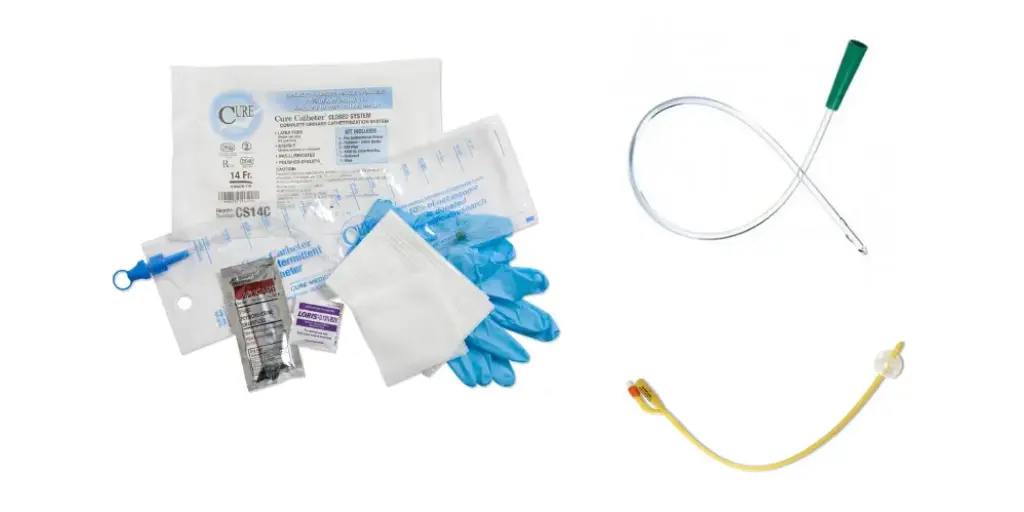
Starting a self-catheterization routine can feel intimidating, but with the right guidance, it quickly becomes a simple part of your daily health regimen. Using an intermittent catheter is a safe and effective way to manage bladder health and maintain an active lifestyle from the comfort of your home
CPAP vs BiPAP: Difference, Benefits, & Medicare Coverage Guide

Choosing the right equipment for sleep apnea therapy is a critical step in improving your health and sleep quality. While both machines provide life-changing benefits, understanding the difference between CPAP and BiPAP is essential for ensuring your treatment is as comfortable as it is effective
Specialized Drive Controls for Power Chairs: A Simple Guide
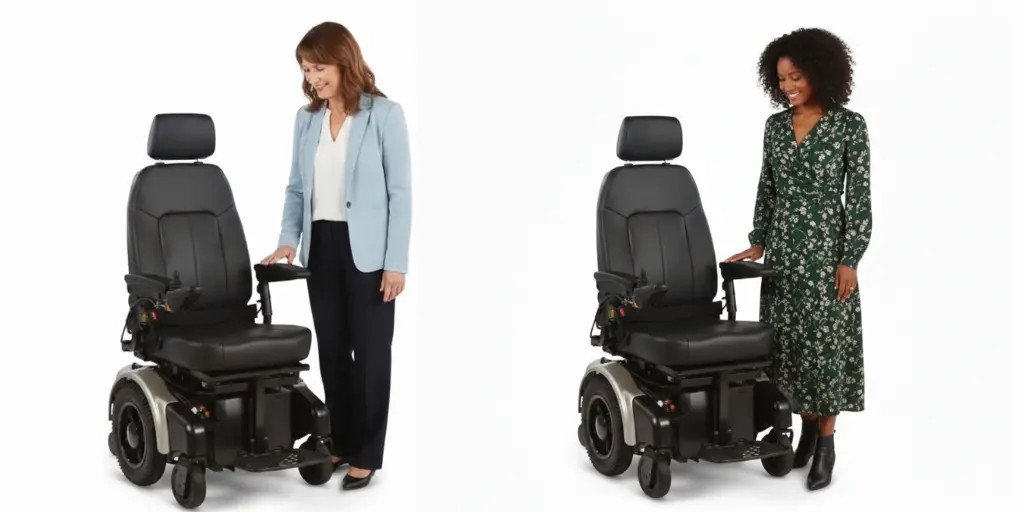
While most users interact with their mobility equipment using a standard joystick, many individuals require more tailored solutions to navigate their environment. For those with limited hand function, tremors, or neuromuscular conditions (such as ALS or spinal cord injuries), specialized drive controls are the key to operating power chairs safely and effectively.
Straight vs. Coudé Tip Catheters: Choosing the Right Tip
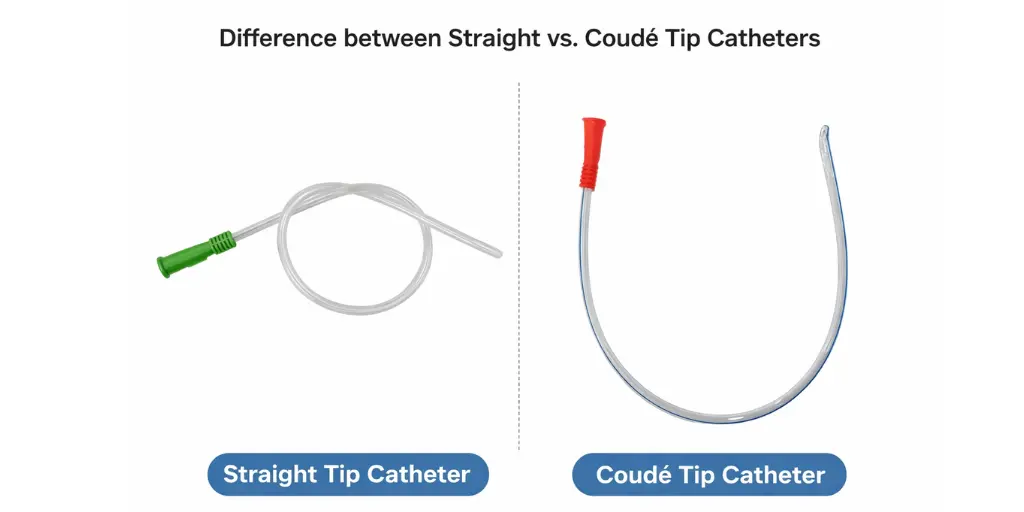
Choosing the correct equipment for urological health is vital for comfort and safety. While most users start with a standard design, anatomical variations often require a more specialized tip. Understanding the difference between straight vs. coudé tip catheters is the first step toward a more comfortable daily routine
The Benefits of Power Tilt and Recline for Pressure Relief

For full-time wheelchair users, the risk of developing pressure injuries—often referred to as bedsores or decubitus ulcers—is a primary health concern. When you are unable to perform a “functional weight shift” independently (lifting your body weight off the seat), gravity creates constant pressure on the skin covering the pelvic bones.